May 20, 2013

전에 처럼

This is Korean, meaning "just like before" or, in Chinese, 就像以前一樣. 
I get these from an online Translator.

There is a Korean Restaurant by this name at Kreta Ayer Road, just across the road opposite Kreta Ayer People's Theatre. After attending the shows at KAPT I would usually wait for a bus at the bus stop which is in front of the Restaurant. Several times at night I observed staff from the restaurant going outside to smoke and after smoking they just threw the butts onto the floor before going inside. They spoke in a foreign language. I think it is Korean.


This was taken last Saturday night. No one was outside but the floor was littered with many butts.


May 06, 2013

Phlegm

When you are travelling in a bus and suddenly you cough up some phlegm in your mouth, what would you do?  Would you swallow it? 

That was what happened to me. I did not have tissue paper and I didn't want to use my handkerchief. So I held it in my mouth until I alighted at my destination. Then I disposed of the phlegm at a grass patch nearby. 

By the way, phlegm is the thick slimy substance produced in your throat especially when you have a cold. So what do you think a phlegmatic man means?

Well, it is not a man who often has phlegm. Phlegmatic means calm and not easily excited or worried.


April 29, 2013

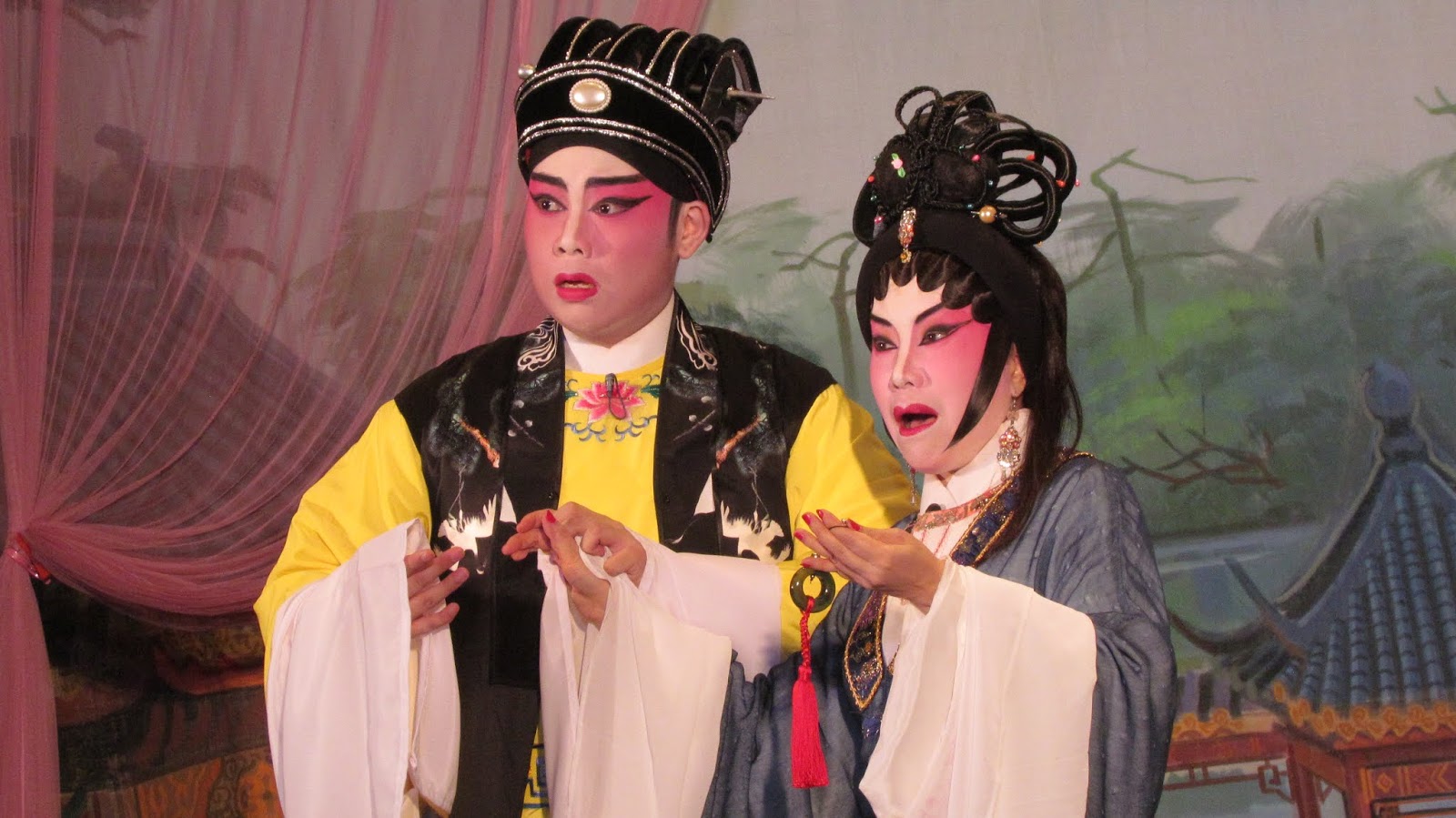
Chinese Opera Tea-house

I discover that I wrote a post about Chinese Theatre Circle's Chinese Opera Tea-house (Smith Street) more than 12 years ago. I reproduce the whole post below. If you are a regular visitor to the Tea-house, you may notice changes during these long years.

This was written in November 2000 .......

On Saturday afternoon the charge is $5 per head and tea is served. You can also order other drinks, including beer. The tea comes in a porcelain pot and small porcelain cups. For a complete set which includes tea, tim-sum and a dessert, the cost is $12.80.

The hall is rectangular. Though small, it is aesthetic and cheery. There are 2 TV sets in front and one at the back. (Singing is the karaoke-type and is free.) The walls are decorated with opera costumes and masks and Chinese calligraphies. There is a large wooden model of a type of Chinese sailing-boat at the front where the singer's platform is and there are two smaller ones at the back above the entrance. There is even a model of a roadside opera stage!

You can sing solo, with your partner or request your CTC idol to sing with you if the artiste is there. If you can't sing or don't feel like singing you can just sip your tea, watch and listen to the others.

That afternoon the regulars, a group of elderly ladies and a few men, were there. CTC's regular artistes are Hoi Siong, Frances Wong, Loh Siew Ling and Chan Kwai Lin.

There is a girl from Zhejiang. Her name is Dawn. She mans the SISTIC counter and helps to serve customers.


April 22, 2013

Preservation of Chinese opera

The scanned article below is from Lian He Zao Bao's edition on 1 April 2013. It is about Mr Ferdinand de Bakker, a founder of Preservation of Chinese Opera (PCO). The PCO is an initiative to preserve the culture and heritage of Chinese opera in Singapore and to bring it to the next generation. Mr Ferdinand is from Holland and his wife is a Singaporean.

Preserving Chinese opera is a formidable task. In Singapore, there are three main opera dialect groups (Hokkien, Teochew and Cantonese) and a few other smaller groups (Peking opera, Yue opera and Hainanese opera). Preserving these Chinese operas means not only you need to promote them but also to ensure there are young people passionate enough to want to learn to perform. And learning to be a competent performer is a long dedicated process which requires commitment and perseverance.

I believe the various opera groups and organizations have all along been promoting Chinese opera and trying to attract young people to their shows and activities, and their leaders have been passing on their skills and passion to the younger ones who wish to learn.